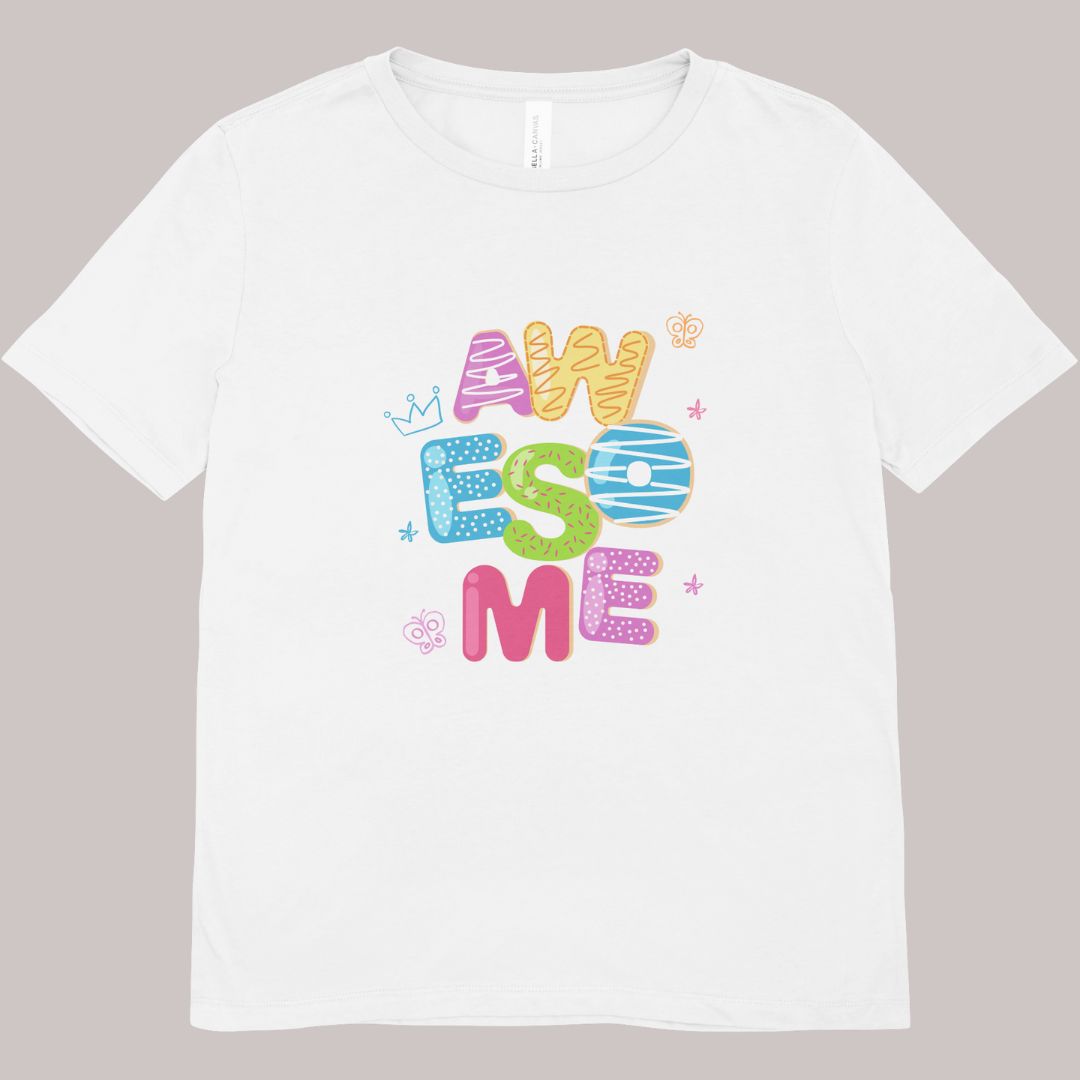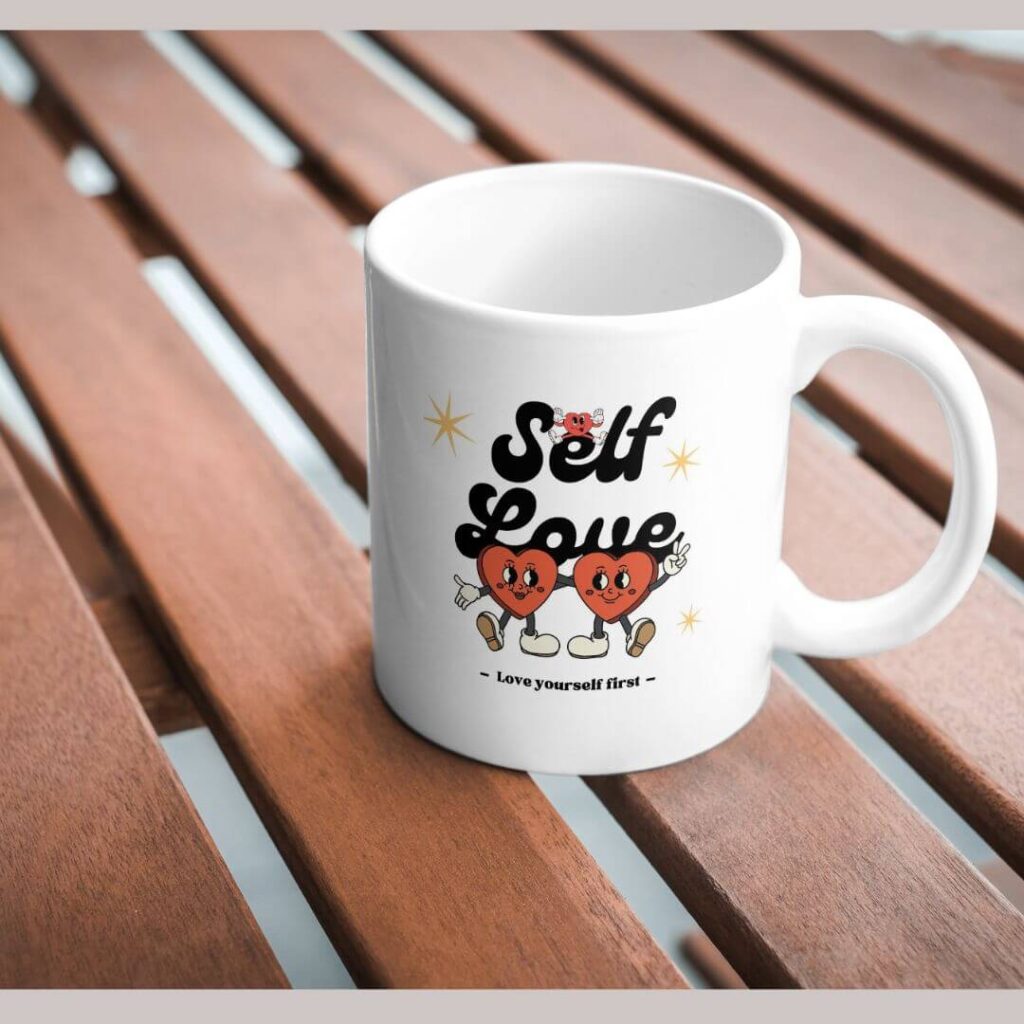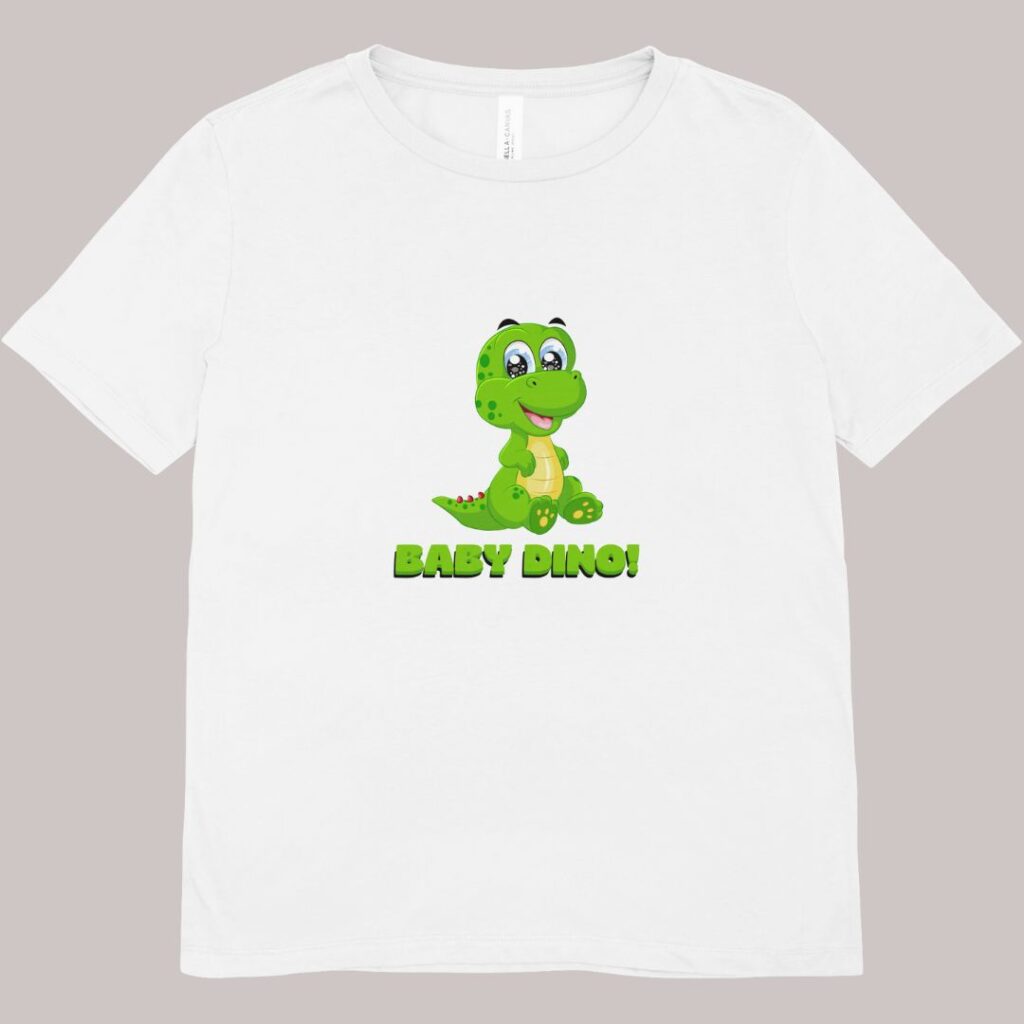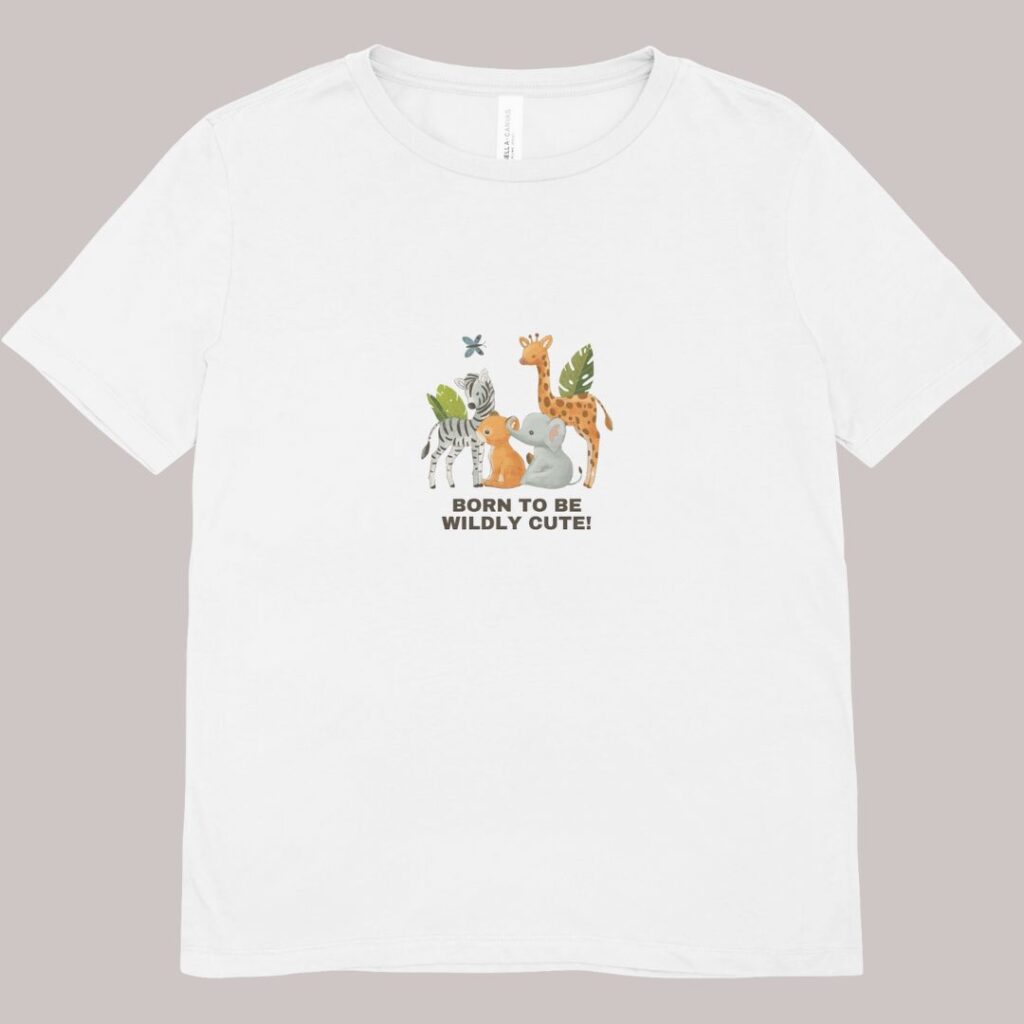
Sublimation printing and heat transfer vinyl (HTV) are two of the most popular methods for customising t-shirts, mugs, and other personalised products. Beginners generally get confused about the difference between sublimation and heat transfer vinyl and want to know which is the best printing method.
Understanding sublimation vs heat transfer vinyl will help you to choose correct method based on printing needs, budget, design style and fabric type.
In this article you are going to learn
- Difference in sublimation and heat transfer vinyl
- Pros and cons of both methods
- Which printing method lasts longer
- Which works on polyester vs cotton
- Which printing method is beginner friendly
- When to use sublimation vs heat transfer vinyl
- Best method for printing t-shirts
This guide on sublimation printing comparison will help you to select the correct method for your project.
What Is Sublimation Printing?
Sublimation printing is a process in which sublimation ink converts to gas when heat is applied. The ink makes a permanent bond with polyester fabric or polymer coated surfaces.
Key characteristics of sublimation printing
- Produces long lasting results
- Print does not peel or crack
- Design becomes part of fabric
- Requires sublimation ink and sublimation printer
This printing method is mainly used for
- Mugs
- T-shirts
- Mouse pads
- Photo frames
- Custom gifts
Sublimation printing works best on light color polyester substrates as the ink becomes part of the fabric.
What Is Heat Transfer Vinyl (HTV)?
Heat Transfer Vinyl (HTV) is a printing method where vinyl sheets are cut into design shapes and then they are transferred to fabric using the heat press machine.
Important features of HTV printing are
- Commonly used for t-shirt printing
- Suitable for text and logo designs
- Requires cutting machine
- Design sits on top of fabric
- Works on polyester and cotton fabric
HTV printing is popular for
- Dark fabric printing
- Custom text designs
- Logo printing
- Sports jerseys
Understanding heat transfer vinyl vs sublimation helps beginners to choose correct method as per their printing needs.
Sublimation vs Heat Transfer Vinyl Comparison (T-Shirts)
Below comparison table explains difference between sublimation and heat transfer vinyl clearly.
| Feature | Sublimation Printing | Heat Transfer Vinyl |
| Fabric compatibility | Polyester fabric | Cotton & polyester fabric |
| Print feel | No feel, becomes part of fabric | Slightly raised feel |
| Durability | Very high durability | High durability |
| Fabric color | Works best on light color fabric | Works on light and dark fabric |
| Setup cost | Medium investment | Low to medium investment |
| Ease of use | Beginner friendly | Beginner friendly |
| Design type | Suitable for full color designs | Suitable for text and logo |
| Production speed | Faster process | Slightly slower due to cutting |
| Printing method | Ink transfer using heat | Vinyl cutting and pressing |
| Best use | Photo prints & complex designs | Names, logos & simple graphics |
Quick Answer – For t-shirts, sublimation printing is best for polyester shirts and detailed full-color designs, while heat transfer vinyl (HTV) is better for cotton shirts and simple text or logo designs. Sublimation creates a soft, long-lasting print that becomes part of the fabric, whereas HTV creates a slightly raised design layer on top of the shirt.
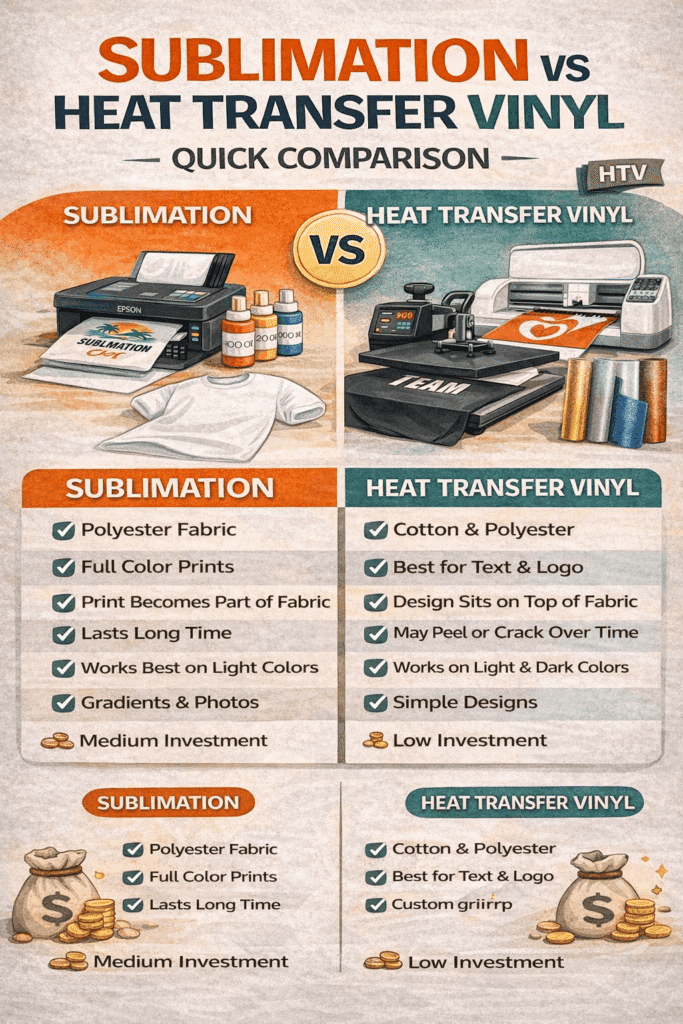
Difference Between Sublimation And Heat Transfer Vinyl
Understanding HTV vs sublimation printing helps in selecting the right printing method. Both methods use heat press machine, but the process of printing and results are different.
Difference In Printing Process
In both techniques, printing method is completely different.
Sublimation printing uses special ink which turns into gas when right amount of heat is applied. This ink then makes a permanent bond with fabric fibers.
While HTV printing require cutting vinyl material into shape and then pressing it on the fabric surface.
Both printing methods affect final output and durability.
Difference In Fabric Compatibility
Fabric compatibility is among the biggest difference in sublimation and HTV printing.
Sublimation works best for polyester fabric or polymer coated materials.
However HTV works on fabric blends, polyester fabric and cotton fabric.
Note – Sublimation cannot work on cotton as ink bonds with polyester fibers only.
Difference In Print Feel
Sublimation printing becomes part of the fabric surface. Here the design does not feel thick or heavy.
But HTV printing sits on top of fabric and creates a slightly raised layer.
This difference in feel of print helps to understand results of both methods.
Difference In Color Options
Sublimation works best on light colored fabric as ink does not contain white color.
But HTV works on both dark and light fabric as vinyl sheet provides solid color layer.
If you want to print designs on black shirts then HTV is best option.
Difference In Durability
Many creators ask which lasts longer HTV or sublimation.
Sublimation printing is usually more durable as the design becomes part of the fabric.
On the other hand, HTV prints are aslo durable but they may peel or crack after multiple washing.
Quick Answer – Sublimation usually lasts longer than heat transfer vinyl because the ink bonds permanently with polyester fibers and does not peel or crack. Heat transfer vinyl is also durable but may fade or peel over time after repeated washing. Proper heat application and fabric choice improve durability for both printing methods.
Pros And Cons Of Sublimation Printing
Understanding pros and cons of sublimation will help you to take better decision.
Pros
- Fast production process
- Best for photo printing
- Ideal for full color designs
- Soft feel on fabric
- No peeling or cracking
- Long lasting prints
Cons
- Not ideal for dark fabrics
- Requires sublimation printer
- Not suitable for cotton fabric
- Works mainly on polyester fabric
Pros And Cons Of Heat Transfer Vinyl (HTV)
Understanding pros and cons of Heat Transfer Vinyl will help you to take better decision.
Pros
- Good for beginners
- Low initial investment
- Good for test and logo designs
- Works on dark fabrics
- Works on cotton shirts
Cons
- Cutting process required
- Vinyl layer can feel thick
- Multi color design takes more time
- Design may peel over time
When You Should Choose Sublimation Printing?
Sublimation printing is best option when you want long-lasting, high-quality prints on polyester or polymer coated surfaces. It is popularly used for creating vibrant and professional looking customized products.
For below you should choose sublimation printing.
- Printing on polyester shirts
Sublimation works best on polyester fabric as sublimation ink makes a permanent bond with polyester fibers. The design becomes the part of fabric and does not crack or peel over time.
- Photo printing designs
Sublimation printing is best for photo designs as it supports high resolution and detailed images. It also produces smooth color blending without any visible edges.
- Complex and colourful designs
If the design contains multiple patterns, colors or detailed artwork, sublimation printing provides better results as compared to HTV printing.
- Gradient artwork
Gradient designs with color transition print smoothly with sublimation printing. While HTV require various vinyl layers, making the printing process complicated.
- Custom gift products
Sublimation printing is mainly used for personalized products like key chains, photo frames, mouse pads, cushions and mugs. It is perfect for color customization.
Understanding when to use sublimation will help you to select correct printing method based on design complexity, fabric type and desired print quality.
When You Should Choose Heat Transfer Vinyl?
Heat Transfer Vinyl (HTV) is best option when you want to print designs on various fabric types, mainly on cotton and dark-colored materials. HTV is mainly used for text-based designs, logos and customized apparel.
For below you should choose HTV printing.
- Printing on cotton shirts
HTV is best for cotton fabrics as the vinyl sticks on the fabric surface using required heat and pressure, making it suitable for cotton hoodies and t-shirts.
- Simple text designs
HTV is ideal for simple names, text, numbers and quotes. Vinyl cutting machines can easily create sharp and clean text designs, making it a popular choice for personalized clothing.
- Sports uniform printing
HTV is widely used for printing player names, numbers on jersey. It offers solid color output and works well for sportswear and team uniforms.
- Dark color fabric printing
HTV works on both dark and light colored fabrics. This method offers solid color layer, making it best for dark or black colored shirts.
- Logo printing
HTV is best suited for logo printing, especially when the designs contain limited color. It is mainly used for promotional apparel, company uniforms and branding.
Note – Most of the beginners prefer HTV as it works on various fabric types and does not need a sublimation printer. However, sublimation printing gives long lasting and much vibrant colors
Which Printing Method Is Better? Sublimation Or Heat Transfer Vinyl?
Quick answer – Sublimation printing is better for full-colour, long-lasting designs on polyester fabric because the ink becomes part of the material and does not peel or crack. Heat transfer vinyl (HTV) is better for cotton fabrics, simple designs, and beginners because it has a lower setup cost and works on both light and dark shirts. The best method depends on fabric type, design complexity, and budget.
Many beginners ask whether sublimation or heat transfer vinyl is better. The answer depends on the design style, fabric type and printing requirements.
Both methods are widely used in customization industry. Each method has its own advantage and is best suited for various types of projects.
Choose sublimation printing if:
If you want professional quality prints which become part of the fabric then sublimation printing is best. Its other usage includes.
- You are printing customized mugs or gift items.
- You want soft smooth print feel.
- Your designs include gradient or complex patterns.
- You need full color or photo design.
- You are printing on polyester fabric.
- You want long lasting print which does not crack or peel.
Note – Sublimation printing produces vibrant colors and work best for detailed artwork.
Choose HTV if:
If you have to work with cotton or dark fabric and simple designs, then HTV printing is best suited. Its other usage includes.
- You want lower initial investment option.
- You want solid color design output.
- You are creating sports uniforms and jersey.
- You want to print on dark color shirts.
- You need simple logo or text design.
- You want to print on cotton fabric.
Note – HTV is manly used for printing logos, numbers and names.
The main difference between sublimation and heat transfer vinyl (HTV) is how the design is applied to fabric. Sublimation printing uses heat to turn ink into gas, allowing it to bond permanently with polyester fibres and create a smooth, long-lasting print that does not peel or crack. Heat transfer vinyl (HTV) uses a vinyl sheet that is cut into shapes and pressed onto fabric, creating a slightly raised design layer that works well on cotton and dark-colored shirts. Sublimation is best for full-colour and photo designs, while HTV is ideal for simple text and logo printing.
Sublimation Vs Heat Transfer Vinyl – Which Is Better? (Quick Comparison)
| Requirement | Choose sublimation printing | Choose Heat Transfer Vinyl |
| Fabric type | Polyester fabric | Cotton or polyester fabric |
| Print durability | Very long lasting | Long lasting |
| Print feel | Soft, no feel | Slightly raised feel |
| Design type | Full color & photo design | Simple text & logo |
| Fabric color | Best for light fabric | Works on light & dark fabric |
| Print quality | Very smooth finish | Slightly thicker finish |
| Best for beginners | Yes | Yes |
| Investment | Medium | Low to medium |
| Printing speed | Fast | Slightly slow |
| Best use | Photo prints, gifts, t-shirts | Jerseys, logos, names |
Common Mistakes When Choosing Between Sublimation And HTV
Most beginners make mistakes when selecting printing method. Common mistakes include
- Ignoring durability requirements.
- Not checking fabric composition.
- Using HTV for complex photo designs.
- Choosing sublimation for cotton fabric.
Understanding fabric compatibility will help you to avoid errors.
Recommended Tools For Sublimation Printing And Heat Transfer Vinyl
Using right tools helps to achieve better printing results, improves durability and reduces beginner mistakes. Here are commonly used tools needed for both printing methods.
Sublimation Printer
Sublimation printer is needed to print designs using sublimation ink. Here is recommended beginner friendly printer.
- Epson EcoTank L3250
Why it is useful?
- Suitable for home printing business.
- Beginner friendly setup.
- Good print quality.
Heat Press Machine
Heat press machine is needed for both HTV and sublimation printing. It applies heat and pressure to transfer design on the fabric. Here are recommended beginner friendly heat press machines.
- Fancierstudio 15×15 Heat Press
- PowerPress Industrial Heat Press 15×15
Why it is useful?
- Required for both HTV and sublimation printing.
- Suitable for mugs, t-shirts and other products.
- Provides consistent heat.
Sublimation Ink
Sublimation ink converts to gas when heated and makes a permanent bond with polyester fabric. Here are recommended sublimation ink brands.
- Splashjet Sublimation ink
Why it is useful?
- Essential for sublimation printing.
- Improves print durability.
- Produces vibrant colors.
Sublimation Paper
Sublimation paper holds ink and then releases it when heat is applied. Recommended paper is
- MY PRINT 125 GSM Sublimation Paper.
Why it is useful?
- Helps achieve sharper prints.
- Prevents ink spreading.
- Improves color transfer.
Heat Transfer Vinyl (HTV Sheets)
HTV sheets are used to create designs for cotton and dark colored fabrics. Recommended HTV materials are
- Stretch vinyl
- Glitter vinyl sheets
- PU vinyl sheets
Why it is useful?
- Supports multi color designs.
- Suitable for logo printing.
- Works on cotton fabric.
Vinyl Cutting Machine
Vinyl cutting machine is used to cut design shapes from HTV sheets. Recommended cutting machines are
- Silhouette Cameo
- Cricut cutting machine
Why it is useful?
- Useful for logo and text printing.
- Precise design cutting.
Heat Resistant Tape
Heat resistant tape helps to hold vinyl or sublimation paper in correct position during heat pressing. Recommended heat resistant tape is
- YEQIN Heat Resistant Tape
- Cricut Heat Resistant Tape
Why it is useful?
- Reduces printing errors.
- Prevents design shifting.
Teflon Sheet
Teflon sheet protects heat press plate and ensures even heat distribution. Recommended Teflon sheets are
- Golden Eagle Teflon Sheet
- Cricut Teflon Sheet
- Heat Press Nation PTFE Teflon Sheet
Why it is useful?
- Improves heat transfer.
- Prevents burn marks.
Lint Roller
Lint roller removes dust particle from fabric before pressing. Recommended lint roller is
- Scotch-Brite Lint Roller
- IKEA BASTIS Lint Roller
- Evercare Pet Mega Lint Roller
Why it is useful?
- Reduces defects.
- Improves print clarity.
Quick Beginner Setup Recommendation
If you are confused between sublimation and heat transfer vinyl, then start with getting below equipment’s as these tools works for both printing methods.
So you can try both printing methods and decide which works best.
Quick beginner setup include
- Heat press machine
- Basic printer
- HTV sheets or sublimation paper
- Blank t-shirts
Quick Answer – Heat transfer vinyl (HTV) is often better for beginners because it has a lower startup cost and works on many fabric types, including cotton. Sublimation printing requires a sublimation printer and works best on polyester fabric, but it produces higher-quality full-colour prints. Beginners who want simple text designs often start with HTV.
Quick Decision Guide
Choose sublimation if:
- You print on polyester shirts
- You want full color designs
- You want soft print feel
- You print photos or gradients
Choose HTV if:
- You print on cotton shirts
- You create text or logo designs
- You want lower startup cost
- You print on dark fabrics
Conclusion
Both sublimation and heat transfer vinyl are excellent printing methods, but the best choice depends on your fabric type, design complexity, and budget.
Choose sublimation printing if you want long-lasting, full-color designs on polyester fabric.
Choose heat transfer vinyl (HTV) if you want simple text or logo designs on cotton or dark fabrics.
Beginners can start with HTV due to lower setup cost, while sublimation is ideal for high-quality professional results.
FAQs
Is sublimation printing better than heat transfer vinyl?
Sublimation printing is better for polyester fabric and full color designs as the print becomes part of fabric and lasts longer.
However HTV is better for simple designs and cotton fabric.
Which lasts longer sublimation or HTV?
Sublimation usually lasts longer as ink becomes part of fabric. HTV also lasts long but may crack if not applied correctly.
Can sublimation be used on cotton fabric?
Sublimation printing process does not work properly on cotton as sublimation ink makes a permanent bond and cotton being a natural fabric repels it.
HTV is a better option for cotton fabric printing.
Can sublimation be used on cotton?
No, sublimation printing does not work properly on cotton fabric as the ink bonds only with polyester fabric or polymer coated surfaces.
If you wish to print on cotton fabric then HTV is a better option.
Is heat transfer vinyl good for beginners?
Yes, heat transfer vinyl is a beginner friendly because it is easy to use and works on multiple fabric types. Beginners can create a simple design like logos, text and name using HTV printing method.
It does not need sublimation printer, which also makes it easier to start.
Which is cheaper, sublimation or heat transfer vinyl?
HTV is generally cheaper as it does not need sublimation printer.
Sublimation printing may need slightly higher initial investment but it becomes cost-effective for bulk printing.
Which printing method is best for beginners HTV or sublimation?
Both printing methods are best for beginners.
But you should choose sublimation if you want to print on polyester fabric is creating a full color design.
And you should choose HTV if you want to print on cotton fabric or create a simple logo or text design.
Which is best method for printing t-shirts, sublimation or HTV?
The best method depends on fabric type.
For polyester t-shirt you should choose sublimation printing.
For cotton t-shirts you should choose HTV.
Understanding fabric compatibility is important to select right printing method.